
roducing high-quality, oxygen-free copper rod (OFHC) in long, straight lengths or coils.
5. Primary Applications and Industries Served
The application spectrum for copper rod is vast, touching nearly every sector of the economy.
Electrical and Electronics Industry (Largest Consumer): The single biggest use of copper rod is as the feedstock for drawing into wire of all gauges, from thick building wire to ultra-fine magnet wire used in motors and transformers. It is used in the manufacture of low, medium, and high-voltage power cables for utility grids, industrial power distribution, and building wiring. It is also used for enamelled copper wire wound into coils for motors, generators, transformers, and solenoids. Solid copper rods are machined or extruded into busbars that conduct electricity within switchgear, panel boards, and data centers.
Construction and Architecture: DHP copper rod is extruded into tubes for potable water supply, heating systems, and gas lines due to its corrosion resistance and reliability. It is also used for roofing, flashing, gutters, and downspouts due to its longevity, aesthetic appeal, and patina development.
Industrial Machinery and Transportation: It is fabricated into tubes for radiators, air conditioners, and industrial heat transfer systems. Tellurium copper rod is used to manufacture nuts, bolts, bearings, and electrical connectors on screw machines. In the automotive sector, it is used in wiring harnesses, motor windings for electric windows and seats, and radiator cores.
Renewable Energy: It is critical for the internal wiring of solar panels and for connecting panels to inverters and the grid. Massive amounts of copper rod are drawn into wire for the generators and transformers within wind turbines.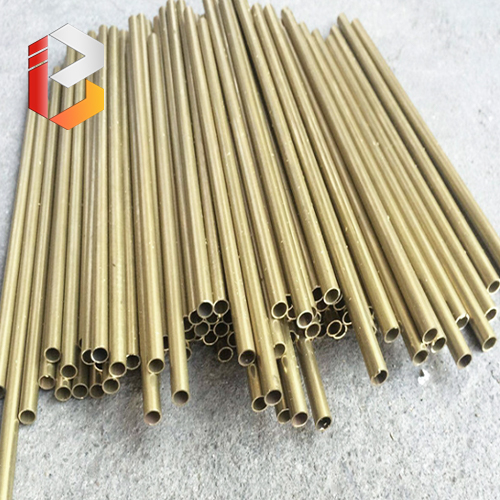
6. Quality Standards and Specifications
Copper rod is produced to meet strict international standards to ensure consistency and performance. Key standards include ASTM B49 (Standard Specification for Hot-Rolled Copper Redraw Rod for Electrical Purposes), ASTM B187 (Standard Specification for Copper Bus Bar, Rod, and Shapes), EN 1977 (Copper and copper alloys — Copper drawing stock (wire rod)), and IEC 60228 (Conductors of insulated cables). These standards specify requirements for chemical composition, electrical resistivity, mechanical properties (tensile strength, elongation), and dimensional tolerances.
7. The Future of Copper Rod: Trends and Innovations
The future of copper rod is tied to global megatrends. The global push for electric vehicles (EVs), charging infrastructure, and expanded renewable energy grids will massively increase demand for high-conductivity copper rod. Motors and transformers are being designed to higher efficiency standards (e.g., IE4, IE5), requiring more high-quality copper windings. The focus on a circular economy will intensify, with an increased reliance on recycled content in copper rod production. Advanced sorting and refining technologies will improve the quality of secondary copper. Research continues into new copper alloys with enhanced strength, wear resistance, or elevated temperature performance while maintaining high conductivity for specialized applications.
Conclusion
Copper rod is far more than just a simple metal bar; it is the essential artery of the global electrical and industrial landscape. Its unmatched combination of properties ensures that it will remain a critical material for powering our homes, connecting our world, and building a more sustainable, electrified future. Understanding its grades, manufacturing processes, and applications is key for engineers, procurement specialists, and decision-makers across a vast range of industries. When performance, reliability, and efficiency are non-negotiable, copper rod is the proven choice.